

Jaw-function evaluation
Dr. Lee evaluates range of motion, joint sounds, muscle tenderness, bite relationships, and dental wear as part of the clinical assessment.

Dr. Jaime Lee evaluates temporomandibular joint and orofacial pain by examining jaw movement, muscles, bite relationships, dental wear, and other oral factors that may contribute to symptoms.
Her goal is to identify which findings are clinically relevant before recommending dental treatment or coordinating care with another provider.


Jaw and orofacial pain
Jaw pain, clicking, limited movement, headaches, and facial discomfort can arise from different joints, muscles, habits, or non-dental conditions.
Dr. Lee therefore evaluates the source and pattern of symptoms before assigning a dental appliance or bite-based treatment.
Dr. Lee evaluates range of motion, joint sounds, muscle tenderness, bite relationships, and dental wear as part of the clinical assessment.
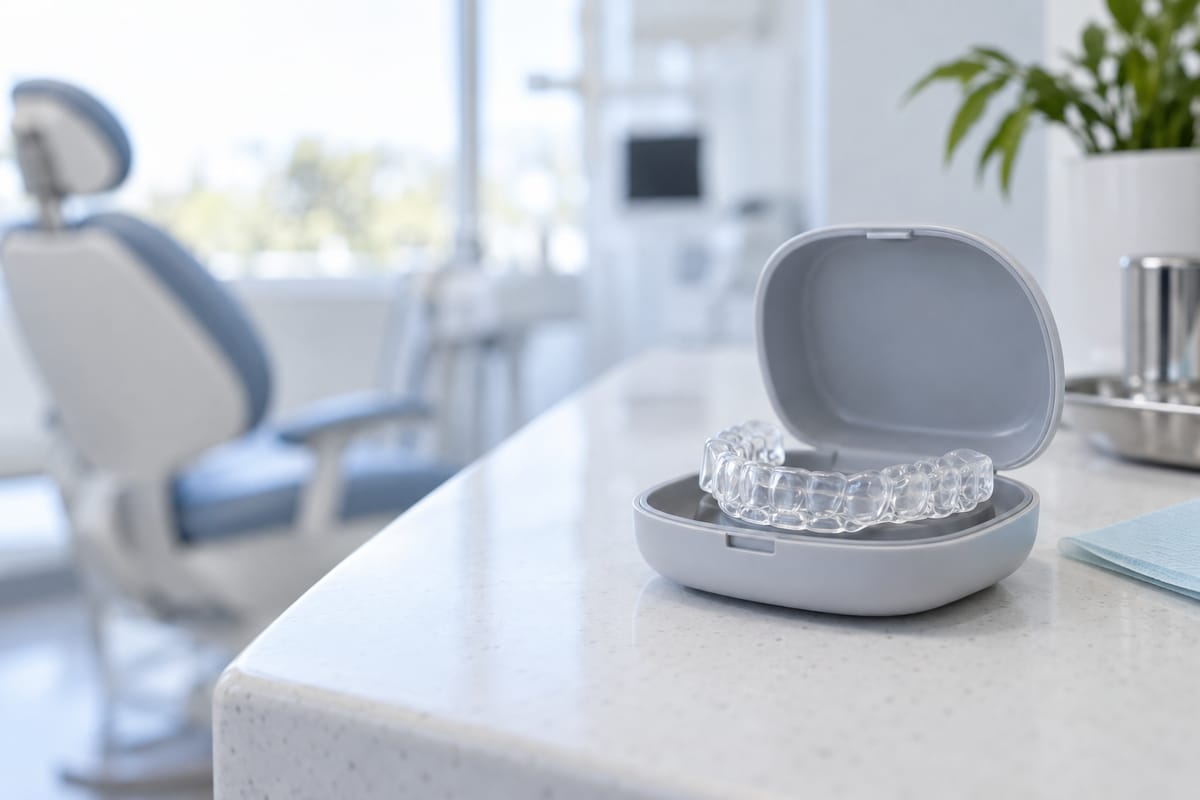
Dr. Lee may recommend a custom dental appliance when the exam shows that it could help protect your teeth or reduce certain jaw-muscle or joint symptoms.

When symptoms suggest a condition outside the dental treatment scope, Dr. Lee coordinates evaluation with the appropriate medical or dental provider.
Schedule an evaluation if you experience persistent jaw pain, facial muscle fatigue, limited movement, painful clicking, or symptoms related to clenching or grinding.
Dr. Lee has advanced training in TMD and orofacial pain but does not use a specialist title; complex or non-dental conditions may require coordinated care.
Schedule an evaluation when jaw pain persists, movement becomes limited, clicking is painful, or symptoms interfere with chewing or normal function.
A painless joint sound by itself does not establish a treatment need. Dr. Lee uses symptoms and findings together.
Cost depends on the diagnostic evaluation, any dental appliance or treatment recommended, follow-up care, and whether other providers are involved. Dental or medical benefits vary by plan.
Smile Art accepts all PPO insurance.
Contact the office with your plan details to ask about coverage and network participation.
TMJ treatment is based on diagnosis; no one appliance or procedure is promised for every patient.
Available through:
Financing is subject to the provider’s approval and terms.

Dr. Jaime Lee has advanced training in TMD and orofacial pain and in neuromuscular orthodontics. She applies that training to jaw-function evaluation while coordinating additional care when symptoms extend beyond the dental treatment scope.
Not by itself. Dr. Lee evaluates whether the sound is painful, whether movement is limited, and whether other symptoms or functional changes are present.
An oral appliance can be useful in selected cases, but it should follow a diagnosis rather than being assigned to every patient with jaw symptoms.
Clenching and grinding can contribute to muscle fatigue, tooth wear, and some jaw symptoms. Dr. Lee checks whether those patterns are contributing to your symptoms before recommending treatment.
Treatment should be selected according to the diagnosis and intended clinical effect. Dr. Lee explains the purpose and limitations of any appliance before treatment.
Referral is appropriate when the symptoms, diagnosis, or treatment required extends beyond the dental care Dr. Lee is providing.
Dr. Lee has advanced training in TMD and orofacial pain. She evaluates and treats within her general-dentistry scope and coordinates specialty care when the diagnosis or treatment requires it.
Smile Art is at 901 Boren Ave, Suite 1030, Seattle, WA 98104. We welcome new patients from Seattle and the surrounding neighborhoods.
HoursMonday–Thursday, 8:00am–4:00pm
Phone(206) 325-7200
The Cabrini Medical Tower garage entrance is at 1010 Marion St. The building entrance is on Boren Ave; Dr. Lee is in Suite 1030. Parking for a Smile Art visit does not require validation. Directions to the garage. Check posted rates when you park.