

Jaw and muscle assessment
Dr. Lee evaluates jaw movement, muscle tenderness, joint symptoms, and whether clenching or grinding is contributing to the problem.
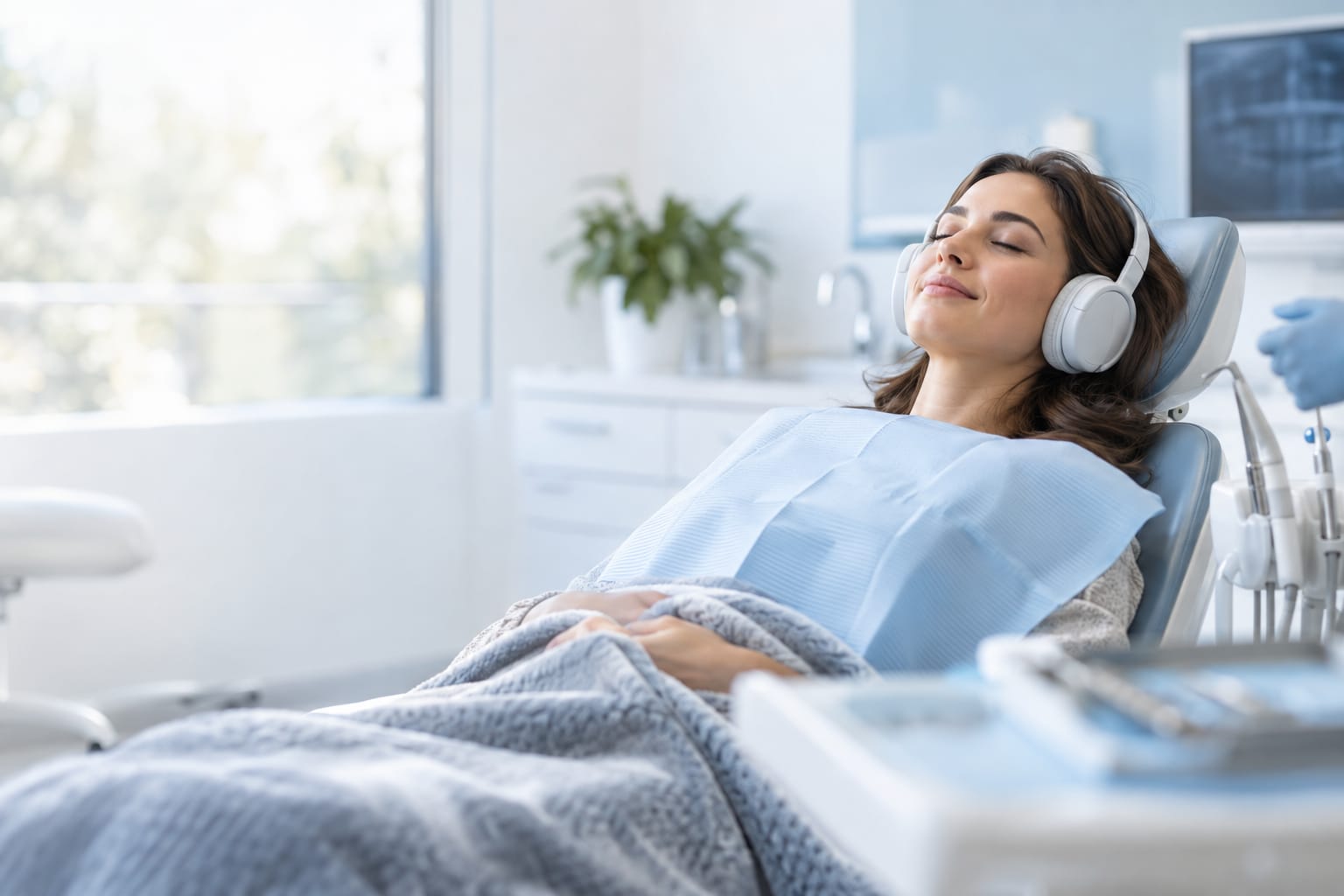
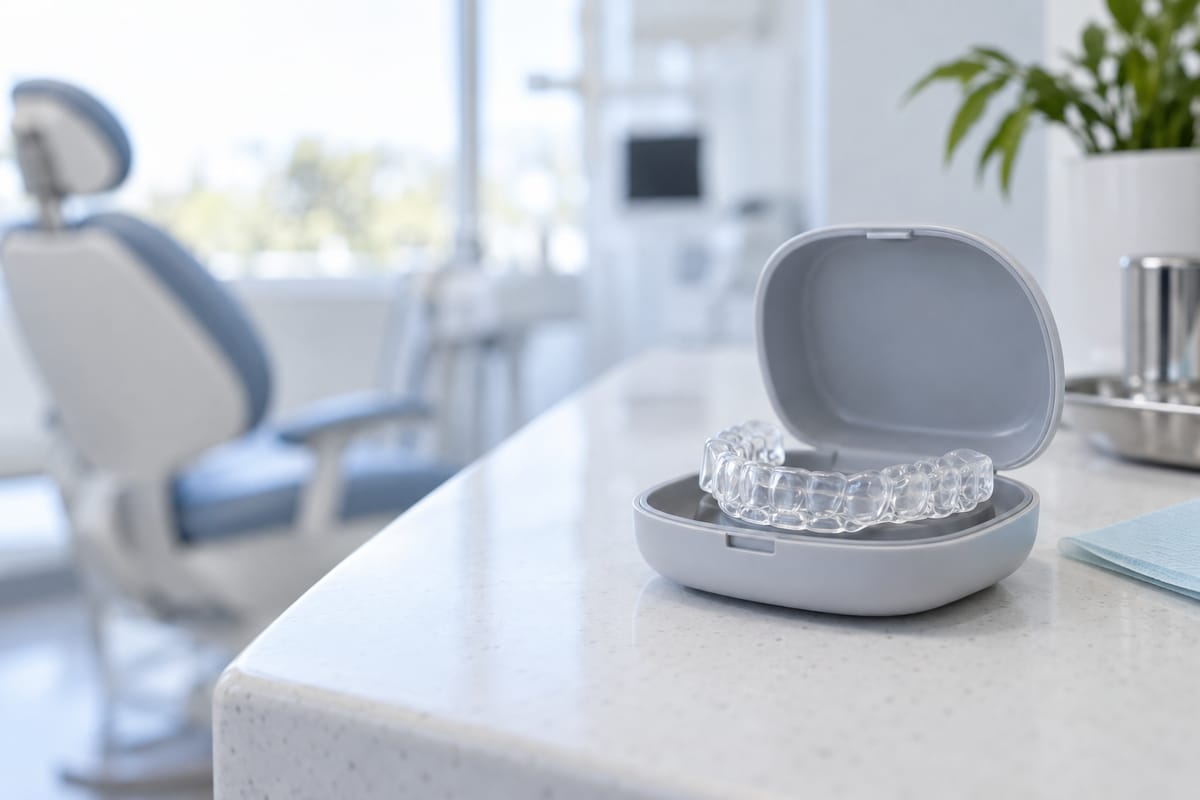
A night guard is an oral appliance designed to protect teeth and restorations from selected clenching or grinding forces during sleep.
Dr. Jaime Lee evaluates tooth wear, fractures, jaw-muscle symptoms, bite relationships, and existing dental work before deciding whether an appliance addresses the problem.
Bruxism and bite protection
Clenching and grinding can load teeth, restorations, and jaw muscles repeatedly, but not every patient with jaw symptoms or tooth wear needs the same appliance.
The diagnosis determines whether a guard is intended primarily for tooth protection, muscle or joint management, or another defined purpose.
Dr. Lee evaluates jaw movement, muscle tenderness, joint symptoms, and whether clenching or grinding is contributing to the problem.

Wear facets, fractures, damaged restorations, and bite contacts help define what the appliance needs to protect.

The design should follow the diagnosis and treatment goal rather than assigning the same guard to every patient who reports grinding.
Dr. Lee may recommend a custom dental guard for patients who grind or clench their teeth, have significant tooth wear, have repeated damage to dental work, or have certain jaw-muscle symptoms.
Dr. Lee connects the appliance design to measured tooth wear, bite, restoration risk, and jaw findings rather than prescribing a guard from symptoms alone.
Schedule an evaluation if you notice progressive tooth wear, repeated chipping, morning jaw-muscle soreness, or recurrent damage to dental restorations.
Dr. Lee connects the symptoms with tooth wear, restoration damage, muscle findings, or another measurable reason before prescribing an appliance.
Cost depends on examination, records, appliance design, fabrication, adjustments, and insurance benefits.
Smile Art accepts all PPO insurance.
Contact the office with your plan details to ask about coverage and network participation.
Dr. Lee explains the type of guard she recommends and how it is made before treatment begins.
Available through:
Financing is subject to the provider’s approval and terms.

Dr. Jaime Lee has advanced training in TMD and orofacial pain and uses that training to evaluate the relationship between grinding, tooth wear, bite, and jaw symptoms before selecting an appliance.
No. Dr. Lee should connect the appliance to measurable tooth wear, restoration risk, jaw symptoms, or another defined clinical need.
A guard primarily changes how forces are distributed and protects selected structures; it should not be described as a guaranteed cure for bruxism.
It can in selected cases, but jaw pain has several possible causes and should be evaluated before an appliance is prescribed.
A custom appliance is designed from the patient's dental record and can account for the actual bite and treatment goal.
The design follows the treatment goal, bite, tooth wear, restorations, jaw findings, and the structures the appliance is intended to protect.
Coverage varies by plan and by the diagnosis supporting the appliance.
Smile Art is at 901 Boren Ave, Suite 1030, Seattle, WA 98104. We welcome new patients from Seattle and the surrounding neighborhoods.
HoursMonday–Thursday, 8:00am–4:00pm
Phone(206) 325-7200
The Cabrini Medical Tower garage entrance is at 1010 Marion St. The building entrance is on Boren Ave; Dr. Lee is in Suite 1030. Parking for a Smile Art visit does not require validation. Directions to the garage. Check posted rates when you park.