

Smile ArtDr. Jaime Lee, DDSCall Smile Art by Dr. Jaime Lee on (206) 325-7200
A patient in a dental chair while a gloved hand gently examines the gums with a thin probe

Gum disease care in Seattle

If you notice persistent bleeding, swelling, recession, or soreness, schedule a periodontal evaluation. Dr. Jaime Lee assesses your gums and supporting bone to determine whether preventive care, active periodontal treatment, or ongoing maintenance is appropriate.

Periodontal measurements and diagnostic imaging show Dr. Lee whether the gums are stable or whether disease requires treatment.

Call (206) 325-7200 to schedule

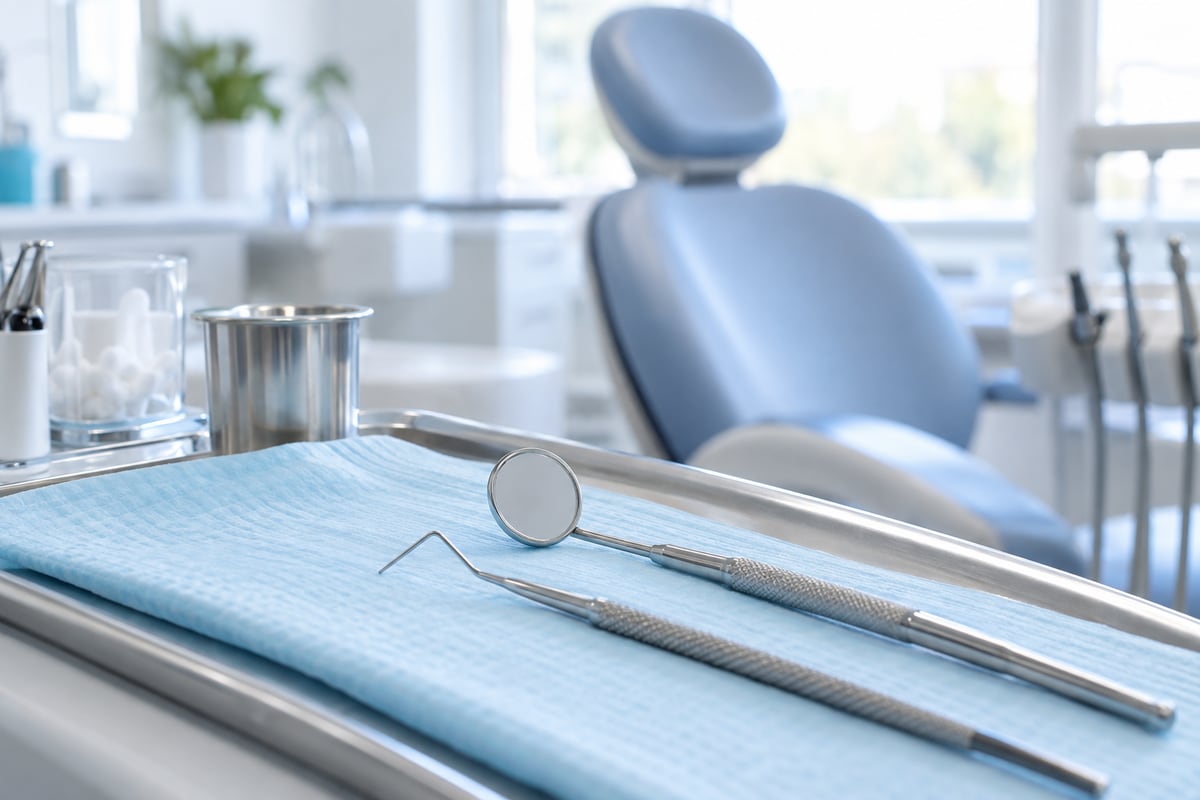
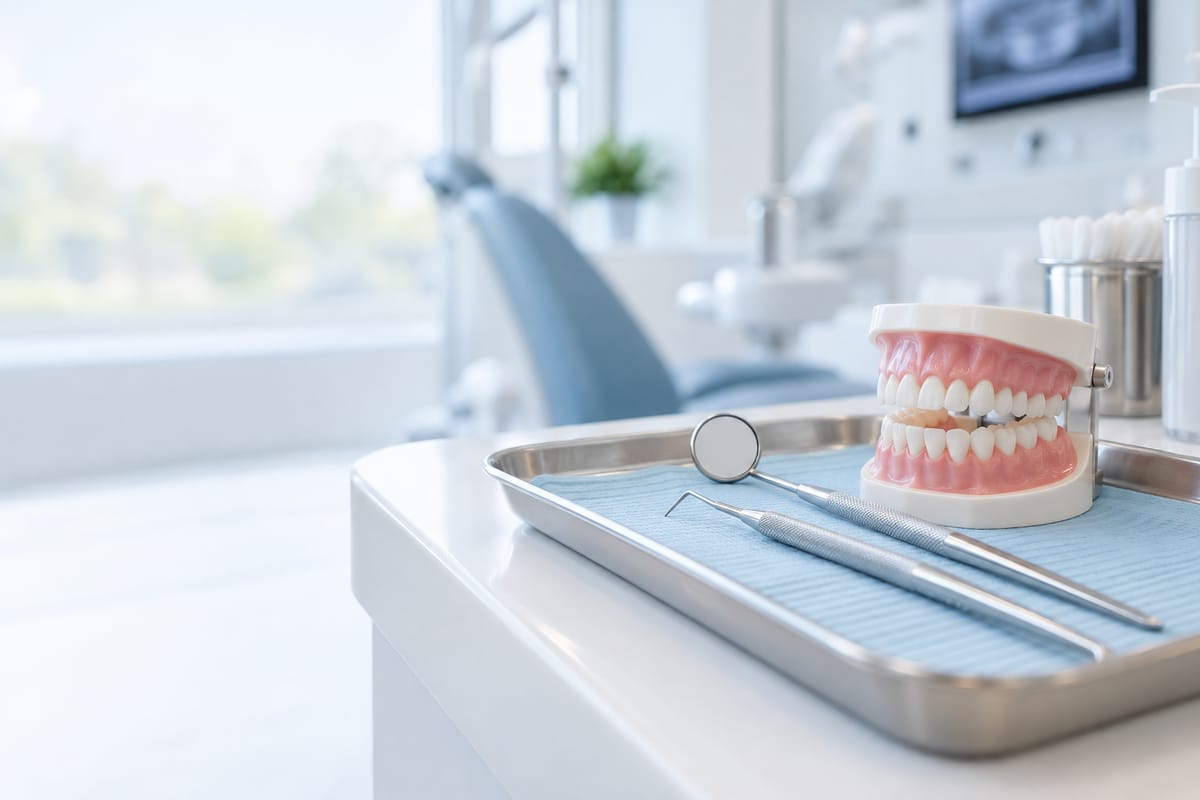
A dental examination tray with a mouth mirror and explorerA dental tray with a mirror and periodontal probe beside a model of teeth and gums
A smiling patient in a dental chair showing healthy gums

Gum health

Why does gum disease need treatment?

Treating gum disease protects the gums, connective tissues, and bone that support your teeth. Dr. Lee uses periodontal measurements and diagnostic imaging to define the condition before selecting the level of care.

Dr. Lee uses the periodontal findings to distinguish routine preventive care from active gum treatment and to set the maintenance plan after treatment.

  • Gums that bleed when you brush or floss
  • Red, swollen, or tender gums
  • Gums pulling back from the teeth
  • Bad breath that does not go away
  • Teeth that feel loose or bite differently

What does gum disease treatment involve?

Gum disease treatment

Gum disease treatment focuses on removing plaque and tartar (hardened plaque) that irritate the gums. Dr. Lee evaluates your gums and supporting bone to determine whether a professional cleaning, a deep cleaning below the gumline, or additional care is appropriate.

Signs of gum disease

Bleeding, swelling, tenderness, receding gums, and persistent bad breath can all be signs. Some people notice nothing at all, which is why regular exams matter.

Keeping gums healthy afterwards

After treatment, daily brushing and cleaning between your teeth work with regular professional cleanings to support your gum health. Dr. Lee recommends the cleaning schedule based on your oral health.

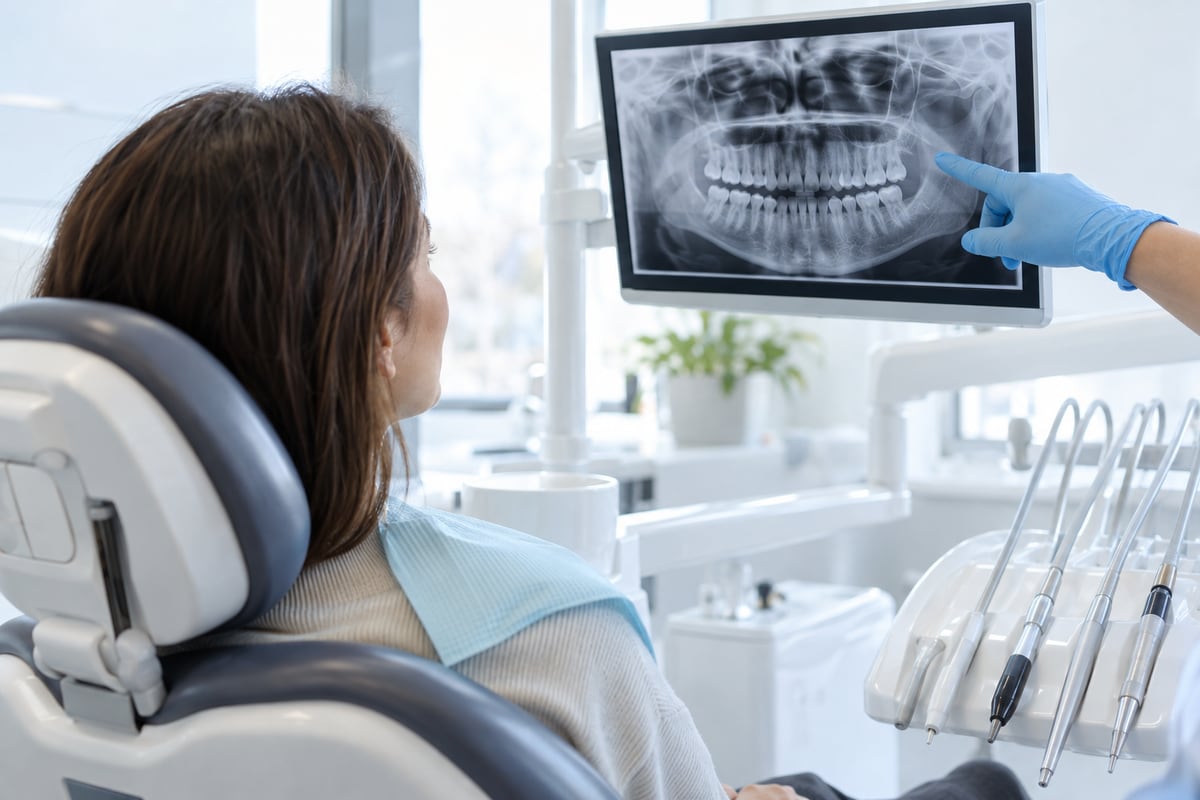
A patient looking at a dental X-ray on a monitor in the treatment room

How is gum disease treated?

  1. Evaluation. Dr. Lee examines your gums, measures the spaces between your gums and teeth, and may recommend X-rays to evaluate the bone that supports your teeth.
  2. Your treatment options. Dr. Lee uses the evaluation to determine whether a professional cleaning, a deep cleaning below the gumline, or additional care is appropriate.
  3. Treatment when needed. If the exam shows periodontitis, Dr. Lee may recommend scaling and root planing to remove buildup from diseased areas around the roots. Complex findings may call for a periodontist.
  4. Follow-up. Dr. Lee evaluates how your gums are responding and recommends the next step in your care.
  5. Ongoing care. Regular professional cleanings and daily care help support your gum health after treatment.

Who should be checked for gum disease?

While gum disease can affect anyone, your risk can be higher if you use tobacco, have diabetes, are pregnant, take medications that cause dry mouth, or have a family history of gum problems.

Schedule a gum evaluation if you notice persistent bleeding, swelling, gums pulling back, soreness, bad breath that does not go away, or teeth that feel loose.

What should you expect after gum treatment?

Tenderness or temperature sensitivity can occur after scaling and root planing. Dr. Lee provides aftercare instructions based on the areas treated and the periodontal condition.

Continue brushing and cleaning between your teeth daily, and follow the maintenance schedule Dr. Lee recommends. Schedule a reassessment if bleeding, swelling, or soreness continues or returns.

When should you see a dentist about your gums?

Schedule a gum evaluation if bleeding, swelling, tenderness, recession, or changes in tooth support persist. Dr. Lee also measures periodontal health during routine dental exams so the care plan can respond to changes in tissue stability over time.

What affects the cost of gum disease treatment?

The cost of gum disease treatment depends on your diagnosis, the areas requiring treatment, and your ongoing maintenance plan. Smile Art accepts all PPO dental plans and can verify how your benefits apply.

PPO insurance

Smile Art accepts all PPO insurance.

Contact the office with your plan details to ask about coverage and network participation.

Insurance acceptance does not mean every gum treatment is covered; benefits depend on your plan.

Third-party financing

Available through:

  • CareCredit
  • Cherry
  • LendingClub

Financing is subject to the provider’s approval and terms.

Dr. Jaime Lee, DDS, of Smile Art in Seattle
Dr. Jaime Lee, DDS

Who provides gum care at Smile Art?

Dr. Jaime Lee earned her Doctor of Dental Surgery from Loma Linda University in 2002. She evaluates the health of your gums and supporting bone because crowns, bridges, implants, and other restorative treatment depend on healthy support around the teeth.

Dr. Lee uses the same periodontal findings to coordinate preventive care, gum treatment, and restorative dentistry.

Where is our Seattle dental office?

Smile Art is at 901 Boren Ave, Suite 1030, Seattle, WA 98104. We welcome new patients from Seattle and the surrounding neighborhoods.

Smile Art by Dr. Jaime Lee901 Boren Ave, Suite 1030
Seattle, WA 98104

HoursMonday–Thursday, 8:00am–4:00pm

The Cabrini Medical Tower garage entrance is at 1010 Marion St. The building entrance is on Boren Ave; Dr. Lee is in Suite 1030. Parking for a Smile Art visit does not require validation. Directions to the garage. Check posted rates when you park.

Call (206) 325-7200