
Treatment Comparisons
Root Canal vs. Tooth Extraction
Root canal treatment saves an infected or inflamed tooth by cleaning out its inner pulp and sealing it, while an extraction removes the tooth entirely. Keeping a natural tooth is usually the first goal, and an extraction is recommended when the tooth cannot be restored. Dr. Jaime Lee provides both at Smile Art and explains which fits your tooth before treatment begins.
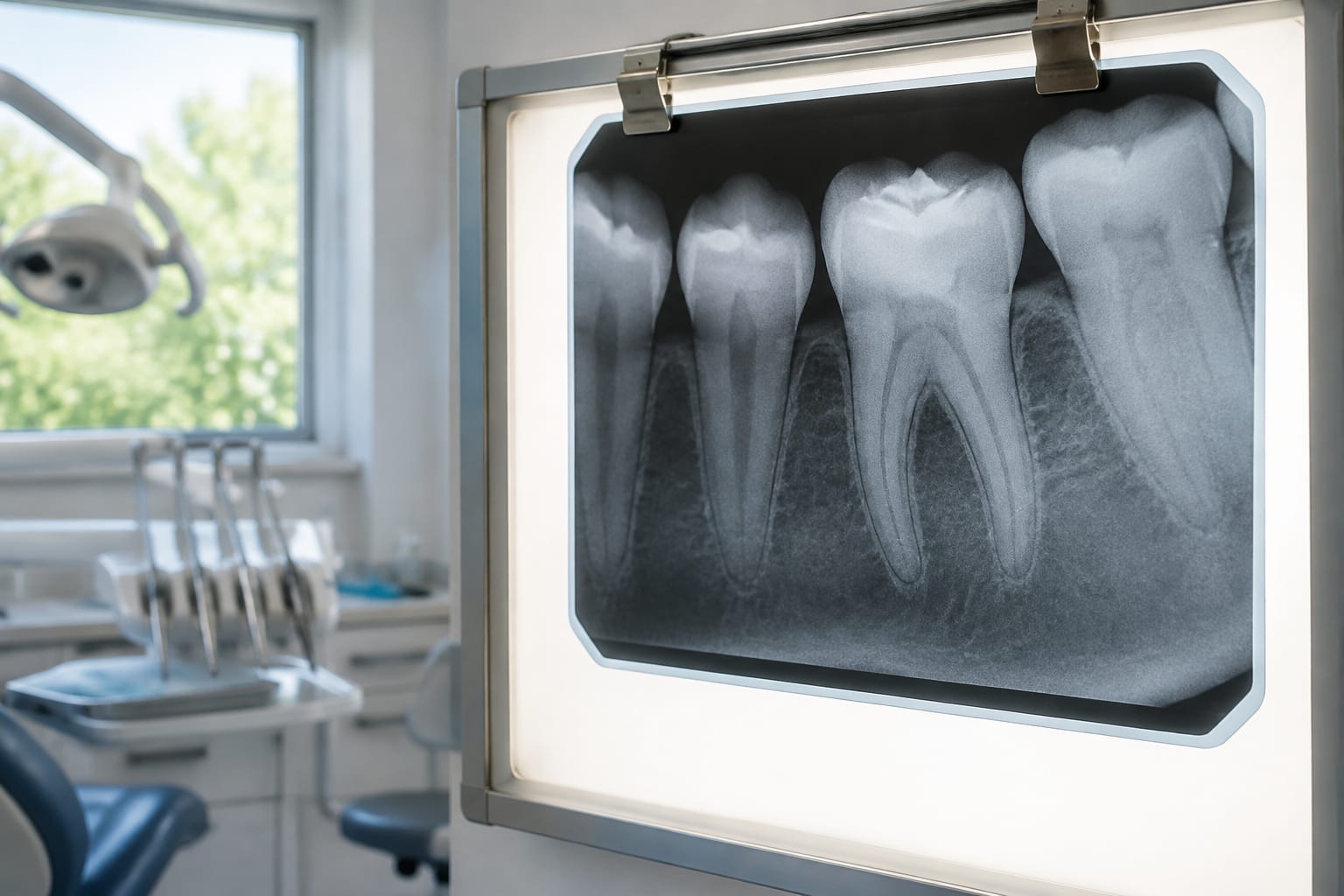
What is the difference between a root canal and an extraction?
A root canal keeps the tooth and treats the inside of it, while an extraction removes the tooth and its roots. After a root canal, the tooth is usually restored with a crown and continues to work like your other teeth. After an extraction, the space is usually replaced with an implant, a bridge, or a denture to support your bite.
How does root canal treatment work?
With the tooth numbed, Dr. Lee opens it, removes the infected or inflamed pulp (the soft tissue inside), and cleans and shapes the canals. She then fills and seals the canals to protect the tooth from reinfection. A crown or other restoration then protects the treated tooth.
How does an extraction work?
With the area numbed, Dr. Lee gently loosens the tooth and removes it from its socket. A blood clot then forms in the socket and begins the healing process. When an implant is planned, Dr. Lee may place a bone graft at the same visit to preserve the bone.
How do they compare?
| Root canal treatment | Tooth extraction | |
|---|---|---|
| Natural tooth | Kept | Removed |
| After treatment | Usually restored with a crown | Space usually replaced with an implant, bridge, or denture |
| Jawbone | Supported by the tooth's roots | Can shrink where the tooth was lost, unless preserved with a graft |
| Neighboring teeth | Stay in position | Can drift into the space if it is not replaced |
| Recovery | Tenderness for a few days | Healing of the socket over the following weeks |
When is a root canal the better choice?
A root canal is usually the better choice when the tooth has enough healthy structure to be restored and the surrounding bone and gums are healthy. Keeping the tooth preserves your natural bite and the bone around the roots. It also avoids the additional treatment needed to replace a missing tooth.
When is an extraction the better choice?
An extraction is recommended when a tooth is broken below the gumline, cracked through the root, or too weakened to hold a restoration. It may also fit when the supporting bone has been lost to gum disease. Dr. Lee then plans how to replace the tooth, so your bite stays stable.
How does Dr. Lee help you decide?
Dr. Lee evaluates the tooth with X-rays, checks how much healthy structure remains, and assesses the bone and gums around it. She explains whether the tooth can be restored, how each option affects your bite over time, and what each involves.
What affects the cost?
The cost of a root canal depends on the tooth and the crown that usually follows. The cost of an extraction depends on its complexity and on how the tooth will be replaced, such as with an implant or bridge. Our team reviews your benefits and the expected cost of each path with you before treatment begins.
Frequently asked questions
Is a root canal painful?
Root canal treatment is done with the tooth fully numbed, and it relieves the pain caused by an infected or inflamed pulp. Tenderness for a few days afterward is common and usually eases with over-the-counter pain relief.
Is pulling the tooth cheaper than a root canal?
An extraction alone usually costs less, but replacing the missing tooth adds cost later. Our team can review the expected cost of both paths with you.
Do I need to replace a tooth after an extraction?
Replacing a missing tooth helps keep neighboring teeth from drifting and supports your bite. Dr. Lee explains your options, including implants, bridges, and dentures.
Does every root canal treated tooth need a crown?
The amount of healthy tooth structure that remains and the forces placed on the tooth help determine whether a crown is needed. Dr. Lee evaluates these factors before recommending a crown.
Related pages
Where is our Seattle dental office?
Smile Art is at 901 Boren Ave, Suite 1030, Seattle, WA 98104. We welcome new patients from Seattle and the surrounding neighborhoods.
Seattle, WA 98104
HoursMonday–Thursday, 8:00am–4:00pm
Phone(206) 325-7200
The Cabrini Medical Tower garage entrance is at 1010 Marion St. The building entrance is on Boren Ave; Dr. Lee is in Suite 1030. Parking for a Smile Art visit does not require validation. Directions to the garage. Check posted rates when you park.