
Implant planning
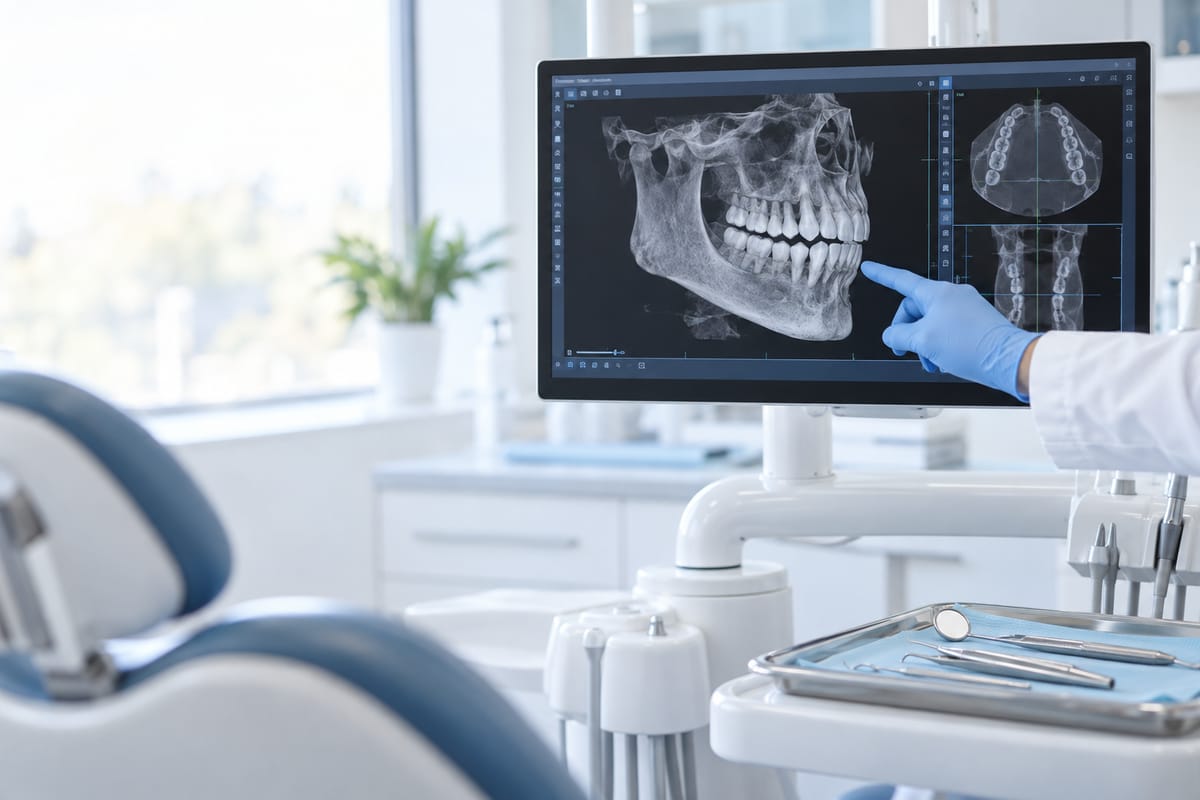
CBCT imaging and clinical records are used to evaluate bone, spacing, neighboring roots, and the restorative position of the missing tooth.

A single-tooth implant replaces one missing tooth with an implant fixture that supports an individual crown.
Dr. Jaime Lee plans the implant position and final restoration together by evaluating the missing-tooth space, available bone, neighboring teeth, gum contours, and bite forces.

Independent tooth replacement
A single implant can replace a missing tooth without using the neighboring natural teeth as the primary support for the restoration.
Dr. Lee evaluates whether the implant can be positioned to support the final crown in the correct location and whether the surrounding anatomy provides an appropriate foundation.
CBCT imaging and clinical records are used to evaluate bone, spacing, neighboring roots, and the restorative position of the missing tooth.

If the site lacks adequate bone for the planned implant position, bone grafting may be considered before or as part of treatment.

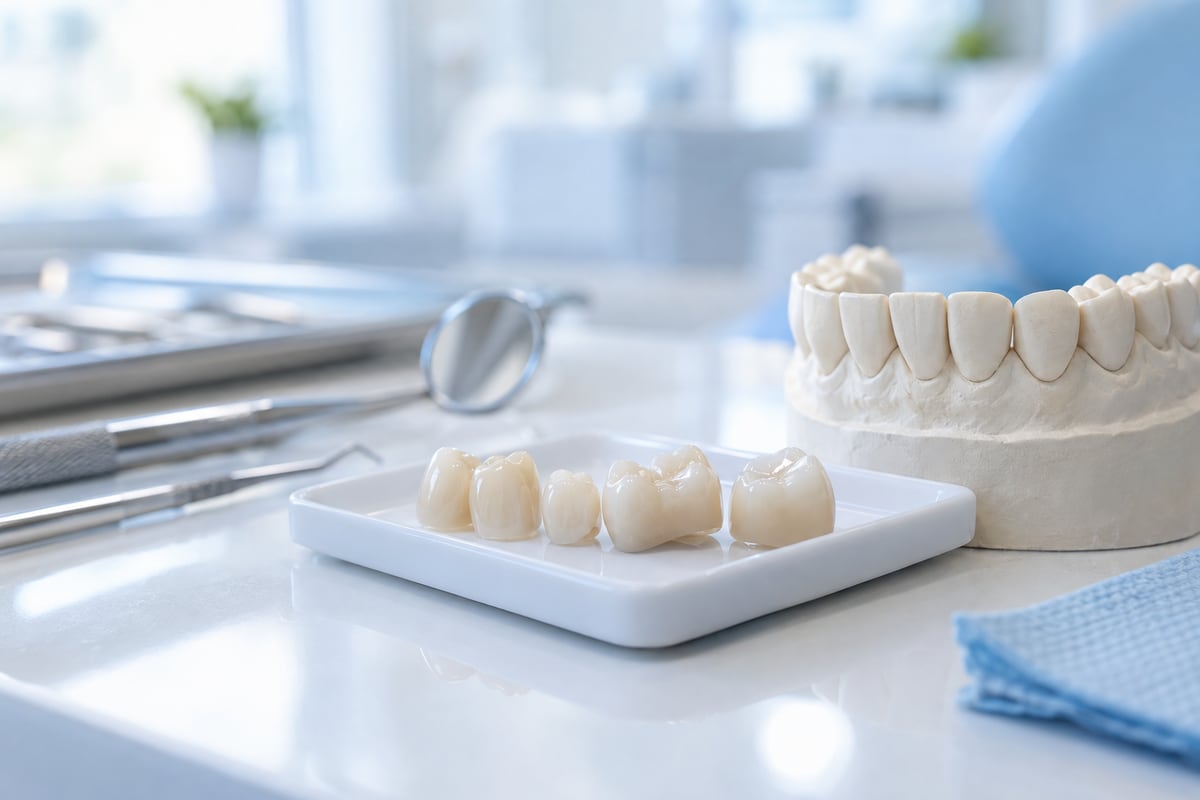
The final crown is designed to restore the visible tooth and function within the existing bite after the implant is ready to support it.
A single-tooth implant provides independent structural support for a missing tooth or a severely compromised tooth requiring extraction and predictable replacement.
The site needs sufficient anatomical support or a plan to develop that support, and medical and periodontal factors that affect healing are considered before treatment.
Implant evaluation can begin before an extraction or after a tooth has already been lost.
Timing depends on infection, bone condition, healing, grafting needs, and the planned restoration rather than one universal waiting period.
The cost of a single-tooth implant depends on the diagnostic imaging, the implant surgery, any necessary bone grafting, and the final crown.
Smile Art accepts all PPO insurance.
Contact the office with your plan details to ask about coverage and network participation.
Smile Art's exact implant placement versus restoration roles remain to be confirmed for every case.
Available through:
Financing is subject to the provider’s approval and terms.

Dr. Jaime Lee is a Fellow of the International Congress of Oral Implantologists. She has advanced training from the Kois Center, Pacific Implant Institute, Pacific Implant Academy, and Live Implant Training with Dr. Mongalo, which she applies when planning implant surgery and restorations.
A single implant supports its crown from the jawbone, while a traditional bridge relies on neighboring teeth for support.
Only if the site does not provide adequate support for the planned implant position. CBCT imaging helps Dr. Lee evaluate that anatomy.
Placing an implant when a tooth is removed depends on the condition of the site, available bone, and the surgical plan. Dr. Lee will discuss timing and who would perform placement after evaluating the area.
The sequence depends on healing and the implant's readiness to support the restoration. Dr. Lee does not use one fixed timeline for every site.
Dr. Lee plans the replacement tooth and will tell you who would place the implant and who would make the crown before treatment begins. The surgical provider depends on the site and treatment plan.
Long-term implant stability requires meticulous daily plaque removal and routine professional evaluations to monitor the restoration, peri-implant tissues, underlying bone, and bite mechanics.
Smile Art is at 901 Boren Ave, Suite 1030, Seattle, WA 98104. We welcome new patients from Seattle and the surrounding neighborhoods.
HoursMonday–Thursday, 8:00am–4:00pm
Phone(206) 325-7200
The Cabrini Medical Tower garage entrance is at 1010 Marion St. The building entrance is on Boren Ave; Dr. Lee is in Suite 1030. Parking for a Smile Art visit does not require validation. Directions to the garage. Check posted rates when you park.