
Tooth structure
Dr. Lee evaluates enamel, existing restorations, fractures, and the amount of material the tooth would need added or replaced.
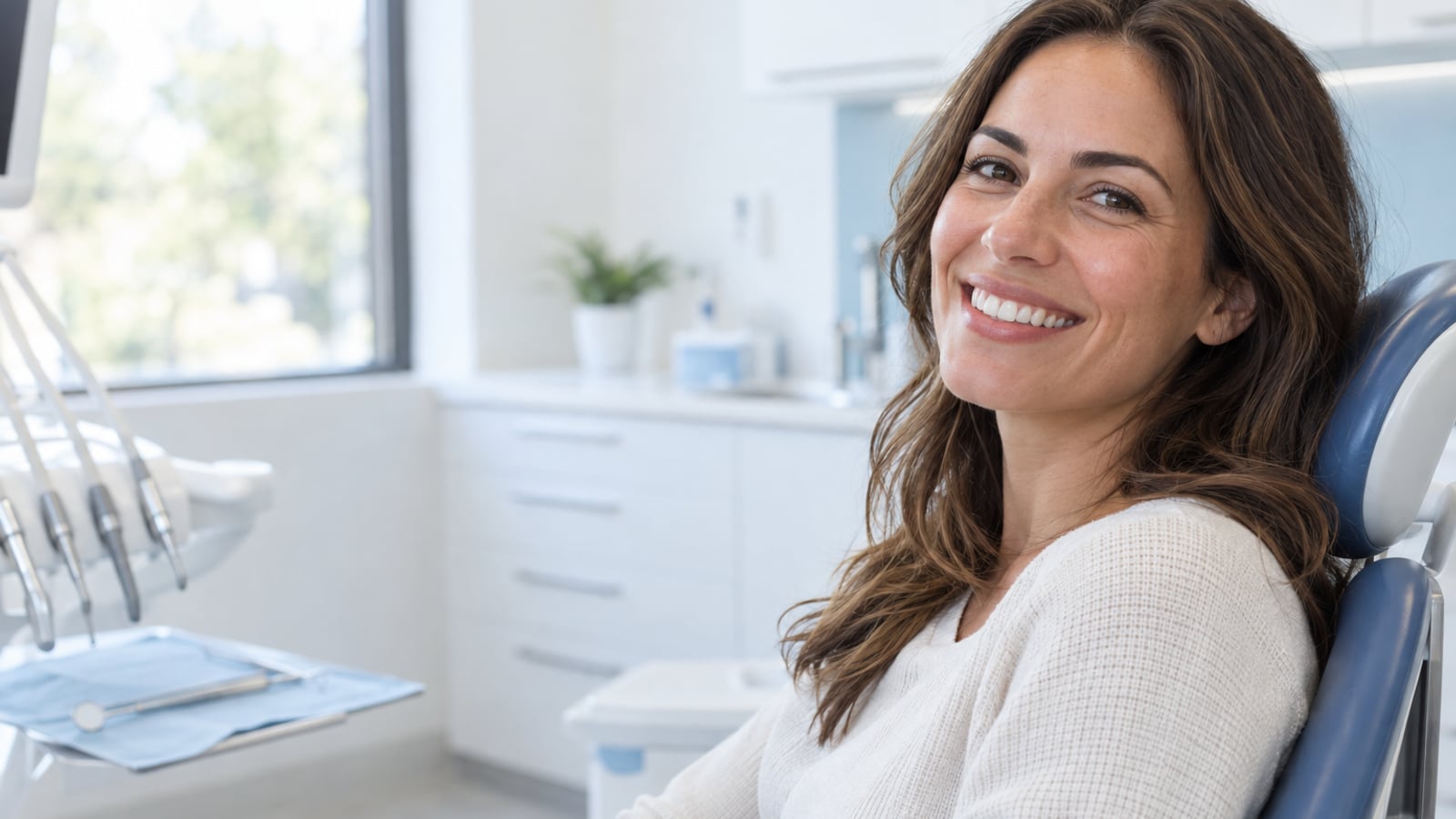
Dental bonding uses tooth-colored restorative material to make selected localized changes in tooth shape, chips, surface defects, or small spaces.
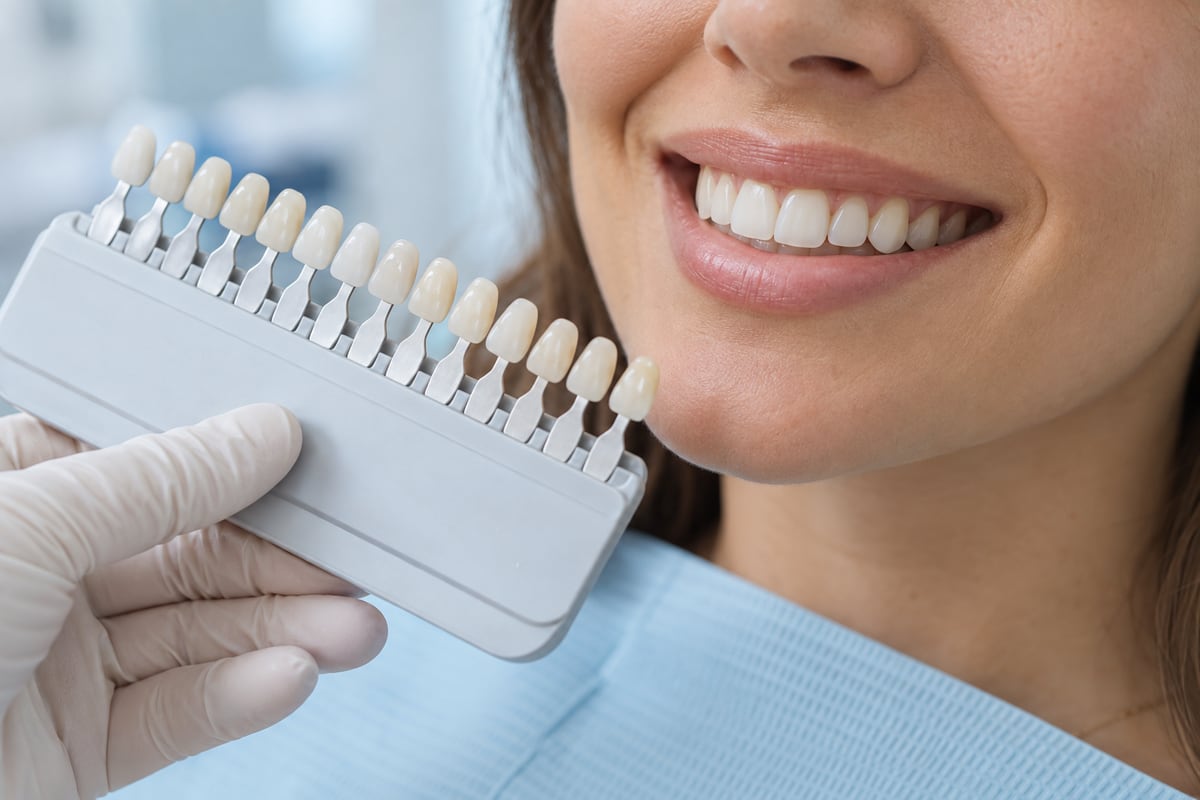
Dr. Jaime Lee would evaluate enamel, bite forces, tooth position, color, and the size of the change before deciding whether bonding is conservative enough and strong enough for the specific tooth.
Conservative cosmetic restoration
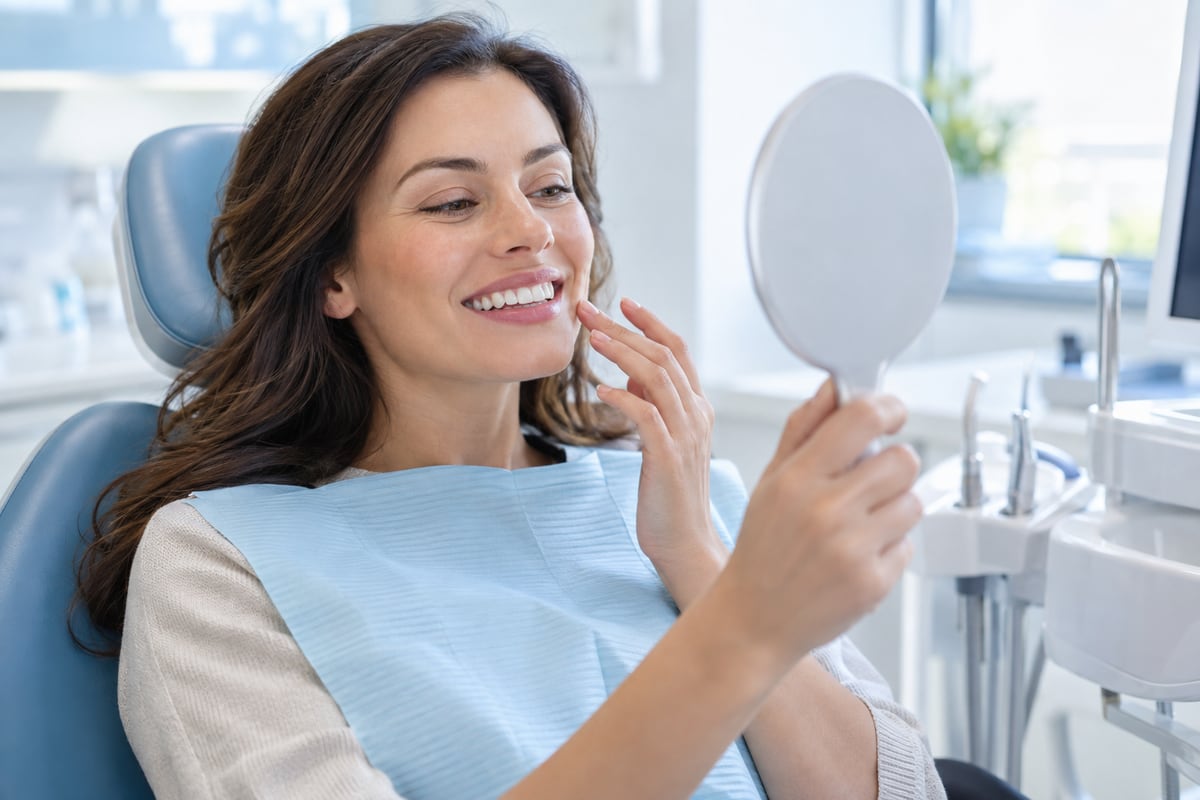
Bonding can add or reshape material without the broader tooth preparation required for a veneer or crown when the cosmetic or structural change is small.
Its usefulness depends on location and bite because an additive restoration that looks appropriate still has to tolerate the forces placed on the tooth.
Dr. Lee evaluates enamel, existing restorations, fractures, and the amount of material the tooth would need added or replaced.

The location of the tooth and how it contacts the opposing teeth affect whether a bonded repair can function predictably.

For extensive structural or aesthetic changes, Dr. Lee bypasses minor bonding and evaluates orthodontics, custom veneers, or crowns to predictably achieve your clinical goal.

Dr. Lee may recommend dental bonding to correct chips, small shape differences, small spaces between teeth, and minor defects in adult patients.
Dr. Lee compares bonding with orthodontics, veneers, or crowns when a broader treatment would address the goal more predictably.
Comparison is useful when the desired change involves a larger portion of the tooth, significant alignment, heavy bite forces, or a tooth that is structurally compromised.
Dr. Lee should select the least invasive option that can meet the goal predictably rather than defaulting to a more extensive restoration.
Cost depends on the number of teeth, size and complexity of each bonded area, and whether the treatment is cosmetic or restorative.
Smile Art accepts all PPO insurance.
Contact the office with your plan details to ask about coverage and network participation.
Coverage depends on whether treatment is restorative or elective cosmetic care and on the individual plan.
Available through:
Financing is subject to the provider’s approval and terms.

Dr. Jaime Lee combines restorative planning with an undergraduate background in fine art, using tooth structure, bite, color, and proportion to determine whether a conservative bonded change fits the goal.
Bonding can be used for selected small chips, localized shape changes, minor spaces, or surface defects when the tooth and bite support that approach.
No. Bonding places restorative material directly on the tooth, while a veneer is a custom surface restoration made separately and bonded to the prepared tooth.
Bonding can change visible contour but does not move tooth roots. Orthodontic treatment may be more appropriate when actual alignment needs to change.
Yes. Bite forces, location, habits, and the size of the restoration influence how bonded material wears over time.
A broader restoration or orthodontic treatment may be more appropriate when the change involves significant tooth structure, alignment, bite forces, or several surfaces.
Coverage depends on whether the procedure is restorative or elective cosmetic treatment and on the individual PPO plan.
Smile Art is at 901 Boren Ave, Suite 1030, Seattle, WA 98104. We welcome new patients from Seattle and the surrounding neighborhoods.
HoursMonday–Thursday, 8:00am–4:00pm
Phone(206) 325-7200
The Cabrini Medical Tower garage entrance is at 1010 Marion St. The building entrance is on Boren Ave; Dr. Lee is in Suite 1030. Parking for a Smile Art visit does not require validation. Directions to the garage. Check posted rates when you park.